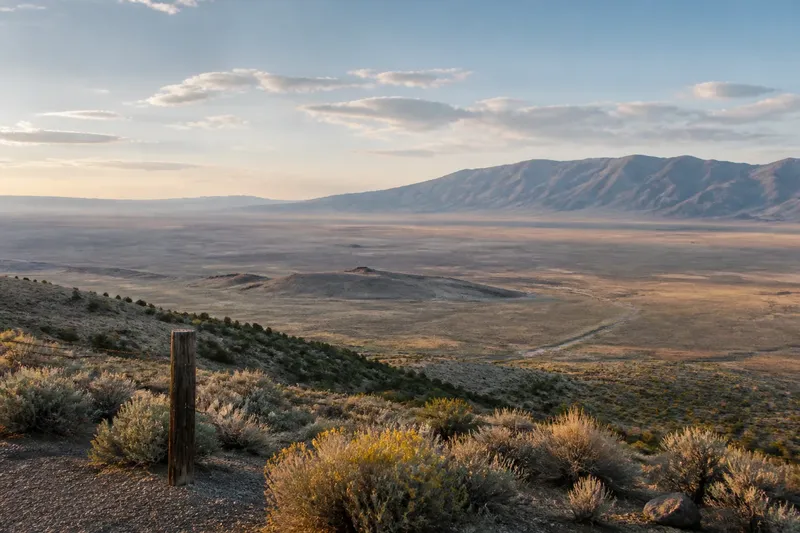
The Myth of the One Western Accent
The one Western accent is a myth. Learn how migration, landscape and local history shape speech, and describe a community’s voices with care.
Where does the one Western accent come from? The one Western accent is a myth: listen at a town café, a farm-supply counter or a community gathering and you may hear different rhythms, pronunciations and vocabularies. Migration, landscape and local history shape those voices, sometimes within the same community.
There is no single sound that can stand for the American West. To trace how speech takes shape, start with real places and histories, then be precise about what a speaker’s words can—and cannot—tell you.
Western speech reflects contact between people and place
Across the West, settlement, work and travel have brought speakers into contact in different ways. A mining camp, a farming valley and a port city have distinct histories and patterns of daily interaction; none should be treated as a stand-in for the whole region.
That contact can influence vocabulary and speech habits, but it does not produce a tidy local accent shared by everyone. Families, neighbours and colleagues may use overlapping ways of speaking, while people who grew up in the same place can sound different.
When describing a voice, name the feature you hear: pronunciation, rhythm, word choice or a shift in register. Avoid treating “Western” as a complete explanation.
Migration brings voices together without simply replacing them
People move for family, education, work and many other reasons. They bring speech habits with them, and those habits meet the voices of neighbours, classmates and colleagues. Some features persist; others change or blend, while a person’s speech may vary with audience and setting.
Consider a documented historical setting such as the San Francisco Bay Area during the Gold Rush. The arrival of people from many parts of the United States and elsewhere made the region a place of intense linguistic contact. That history can help explain why migration matters to a Western soundscape, but it does not establish one accent for the region or tell us precisely how every individual spoke.
For a local oral-history project, ask speakers how they describe their own speech and where a particular phrase came from. Do not infer someone’s identity or family history from pronunciation alone.
Landscape and work shape who speaks with whom
Distance, terrain and transport affect where people meet and how often. A remote worksite, a school serving several settlements and a busy town centre create different patterns of contact. Those settings can help explain why some expressions circulate within a group while others are shared more widely.
Work also brings specialised vocabulary. A river guide, mechanic, teacher or ranch worker may use terms familiar to colleagues but unfamiliar to other residents. Such words can mark occupation or experience without indicating a distinct accent.
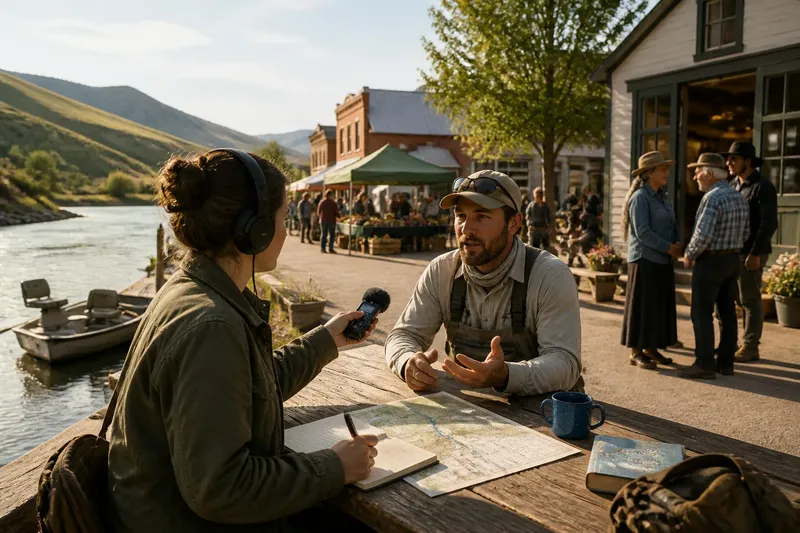
Say you are preparing a short audio feature about a river town. A guide uses a term for a current, and you are unsure whether it is common locally or specific to the work. Ask where the term is used, check its meaning with the speaker, and record that it belongs to the guide’s account unless other speakers confirm wider use. The result is a more accurate description, without turning one person’s vocabulary into a claim about the whole town.
Local history gives speech its context
Railways, trading routes, schools and settlement patterns have connected communities across the West, sometimes under unequal conditions. Their histories can affect which languages and dialects people hear, which expressions pass between generations and which ways of speaking are treated as prestigious or informal.
Indigenous languages and speech traditions should not be treated as decorative parts of a general Western soundscape. Each community has its own history, authority and preferences about recording and sharing language. If you are making a public project, seek permission, follow community guidance and do not present one speaker as a spokesperson for everyone.
Keep the speaker’s account attached to the story. A phrase may carry family or community meaning that pronunciation alone cannot convey.
How should you describe speech respectfully?
Can one person represent a Western community?
No. Treat an interview as one person’s account, and include background details only with their consent. If you need a broader picture, speak with people whose experiences and settings differ.
Are vocabulary and accent the same thing?
No. A local term may reflect work, family or landscape without indicating a distinct accent. Say whether you mean pronunciation, rhythm, word choice or a combination.
Why does someone’s speech change by setting?
People may adjust their language to the audience, subject or formality of a situation. Ask the speaker about a shift rather than describing it as false or inconsistent.
How should a community recording handle a phrase?
Ask the speaker how they describe it, what it means and whether they consent to its inclusion. Use neutral language, identify whose account it is and leave out details the speaker does not want shared.
A careful listening process keeps claims in proportion
For an interview or short audio feature, keep a notebook beside the recorder and use a simple review list before describing a phrase or voice:
- Check whether the speaker has agreed to the recording; if consent is unclear, pause and ask before recording or publishing.
- Check the setting and audience; if you know where the phrase was used, describe that context, but if you do not, ask the speaker or leave the setting unspecified.
- Check whether you are describing pronunciation, rhythm or vocabulary; if you can name the feature, use that precise term, but if you cannot, avoid assigning an accent label.
- Check whether the speaker says a term is personal, occupational or widely shared; if they identify a limited context, state that limit, but if they are unsure, attribute the term only to their account.
- Check whether a claim about a community comes from more than one consenting speaker; if accounts differ, describe the difference, but if you have only one account, do not generalise.
- Check whether a language or tradition has community guidance for recording; if guidance is available, follow it, but if you cannot confirm permission, do not publish the material.
Imagine an invented radio volunteer in a town with a market, a river worksite and a community hall. The volunteer records one guide using a current-related term, asks where it is used, and learns that the guide associates it with work on that stretch of river. At the hall, a second speaker says they know the term but do not use it; the volunteer checks that both contributors consent to the feature. The resulting script attributes the word to the guide’s work context and notes the second speaker’s different experience, rather than calling it the town’s expression.
The one Western accent is a myth worth setting aside
Western speech is better understood through overlapping histories than through a single regional label. Migration brings voices into contact, landscape and work shape daily interaction, and local history influences which words and traditions are passed on.
When a voice seems to define a place, ask what context is missing: a family route, a workplace, a change of audience or a language tradition with its own history. The search phrase “the one Western accent” points to a useful correction: describe the speaker and setting you actually know, and leave broader claims open until you can support them.
Before sharing a recording, let each contributor review how their words are identified and used. That small check can catch a mistaken label while there is still time to correct it.